Railroads have invested heavily in collecting infrastructure data. The next competitive advantage will come from transforming that data into faster decisions that enable earlier intervention.

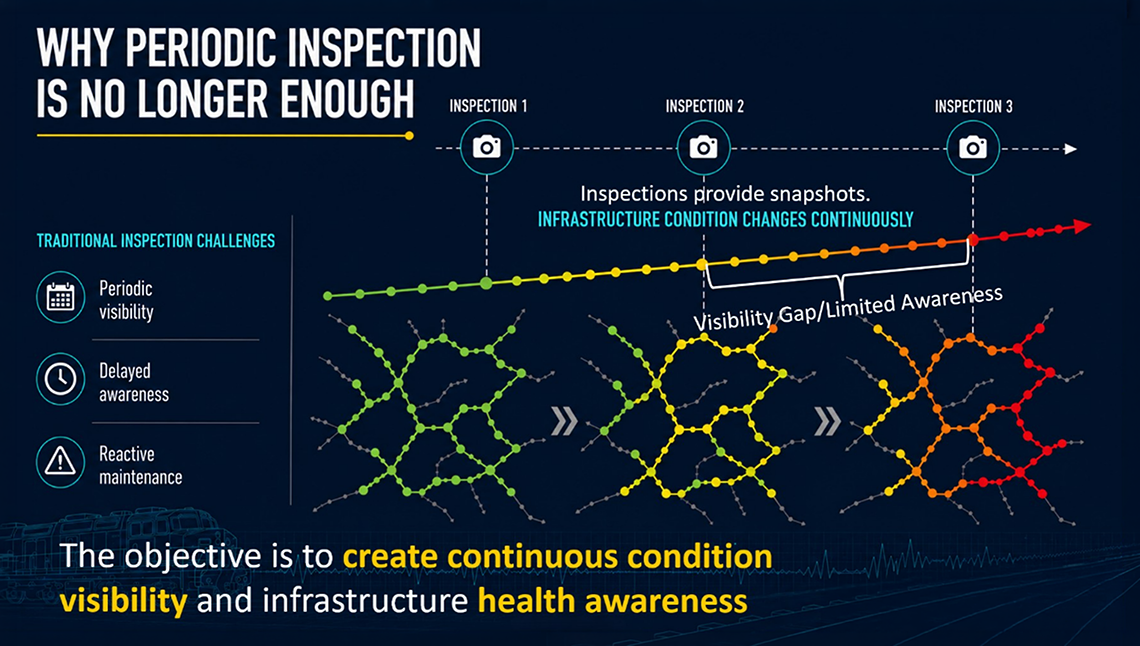
Traditional inspection methods provide valuable snapshots of infrastructure condition, but infrastructure health changes continuously between inspections. As a result, maintenance teams are often forced to make decisions with incomplete context. The next generation of inspection is about creating continuous condition visibility that enables earlier awareness and more proactive intervention.

For decades, railroads have invested in technologies that improve the collection of infrastructure data. Track geometry systems, imaging platforms, LiDAR, wayside detectors, and other inspection technologies have given operators unprecedented visibility into the condition of their networks.

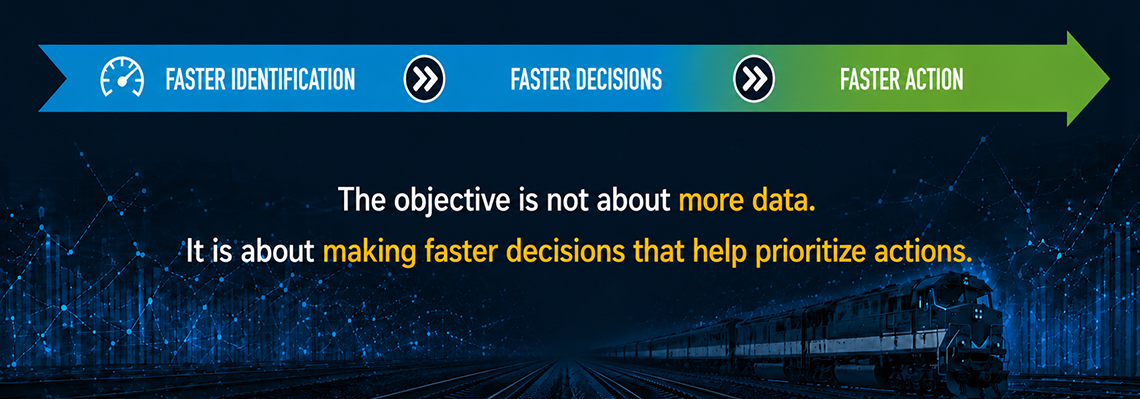
Today, the objective is no longer collecting more data.
The objective is making faster decisions that help prioritize action.

Railroads now have access to more information than ever before, yet maintenance teams continue to face increasingly complex decisions. Limited maintenance windows, growing network demands, and constrained resources require more than additional measurements, they require earlier visibility into emerging conditions, greater situational awareness, and integrated decision support.

The question is no longer how much data railroads can collect.
It's how quickly they can turn that data into better decisions that enable earlier intervention.

That shift is driving the next evolution of rail infrastructure inspection.

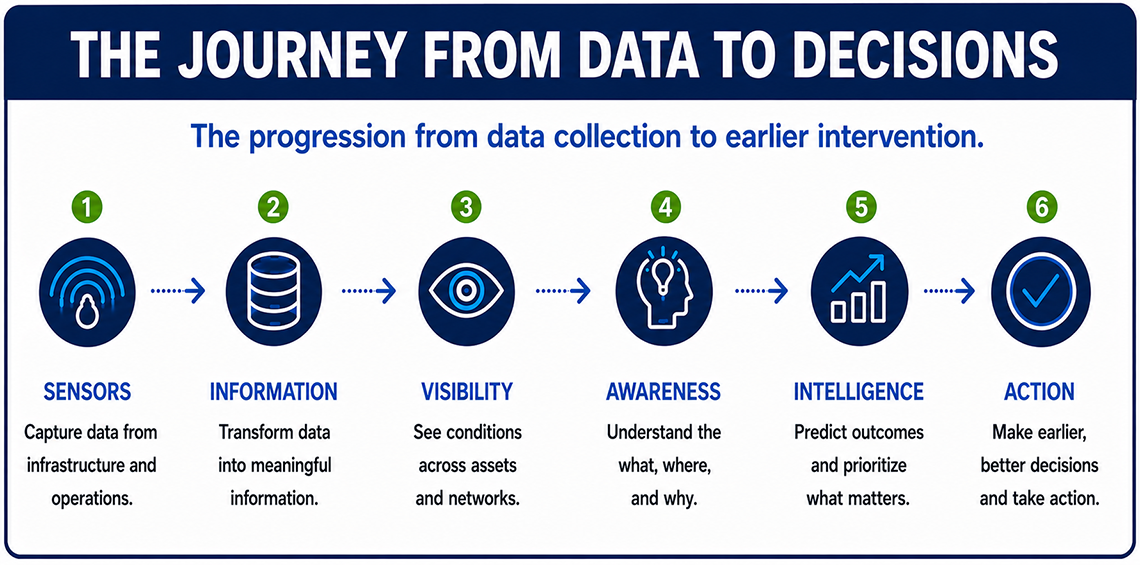
The rail industry has largely mastered the first steps of that journey. Modern inspection technologies can collect enormous amounts of data across vast networks at operating speed. Geometry systems, imaging platforms, LiDAR, wayside detectors, machine vision, and other sensing technologies continue to improve the quantity and quality of infrastructure information available to railroad operators.

The next challenge is no longer collecting information, it's transforming that information into meaningful awareness, actionable intelligence, and ultimately better decisions.

Advances in machine vision, automation, artificial intelligence, and predictive analytics are making this possible. Rather than simply identifying where a condition exists, next-generation inspection technologies are increasingly focused on understanding condition severity, tracking degradation over time, identifying emerging risks, and helping railroads prioritize maintenance activities before issues affect operations.

Ultimately, every sensor deployed across the railroad should contribute to one objective:

Faster identification. Better decisions. Earlier action.

The Power of Context

Railroads are deploying more sensing technologies than ever before. Geometry systems, machine vision, wayside detectors, LiDAR, imaging platforms, and autonomous inspection technologies each contribute valuable information.

No single inspection technology can provide a complete picture of infrastructure health. Geometry systems, machine vision, wayside detectors, LiDAR, imaging platforms, and other sensing technologies each contribute valuable information. The greatest value isn't created by any single inspection technology. It's created by integrating multiple sources of information into a common operating environment that delivers context, actionable intelligence, and earlier maintenance decisions.

By bringing multiple inspection data sources together, railroads gain greater context, earlier visibility into emerging conditions, and more confidence in maintenance decisions than any individual inspection system can provide on its own.

The result isn't more information. It's greater confidence in maintenance decisions, earlier intervention, and more effective use of maintenance resources.

Solving the Next Generation of Inspection Challenges

This evolution is also changing the way inspection technologies themselves are designed.

One example is the growing need for systems that can be integrated onto modern locomotives without sacrificing valuable onboard space or operational flexibility.

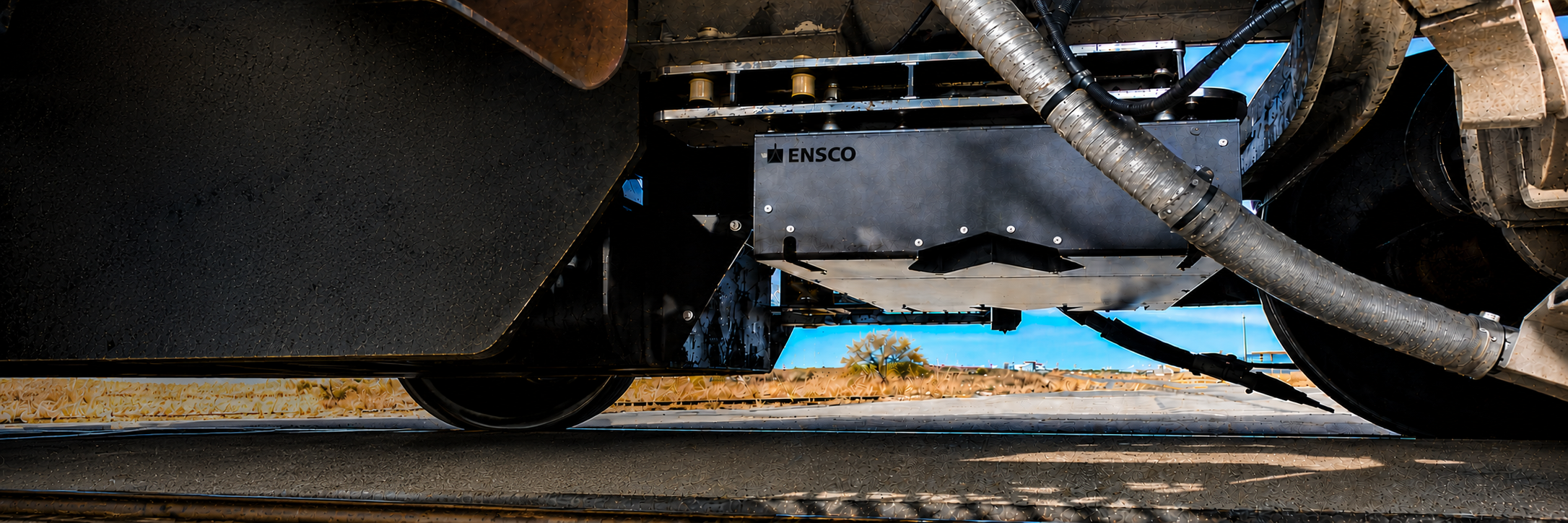
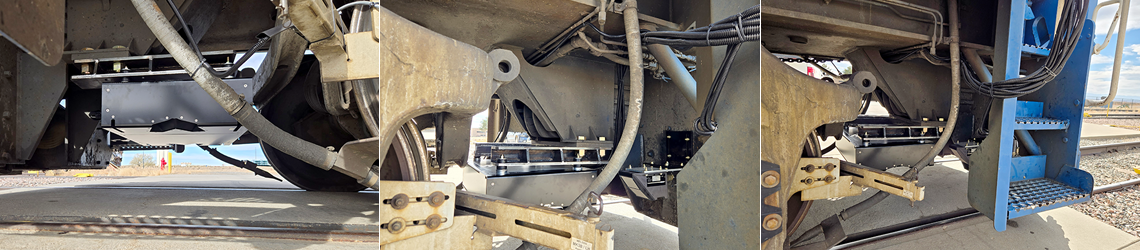
To address this challenge, ENSCO is advancing a Next-Generation Zero-Speed Autonomous Track Geometry Measurement System (ATGMS) specifically designed for today's operating environment.

Unlike traditional systems requiring significant onboard rack space, ENSCO relocates key components externally to the ATGMS beam, dramatically reducing the locomotive footprint while enabling installation in space-constrained environments without impacting existing onboard systems.

The system also delivers geometry measurement down to zero speed, eliminating data gaps during start-stop operations and providing a more complete picture of track condition.

Successful testing at the Transportation Technology Center (TTC) has demonstrated performance aligned with industry expectations, while the compact architecture expands applicability to maintenance-of-way equipment where traditional geometry systems have often been impractical.

Looking Beyond Geometry

Geometry measurement is an essential component of infrastructure assessment, but it represents only one part of a much broader transformation occurring across the rail industry.

The future of inspection will not be defined solely by faster measurements, higher-resolution imagery, or additional sensors but how effectively inspection technologies work together to provide context, transform information into actionable intelligence, and enable faster decisions that support earlier intervention.

Those organizations that successfully integrate autonomous data collection, wayside technologies, machine vision, and predictive analytics into a unified operating environment will realize greater value than any individual inspection technology can deliver on its own.

Railroads have invested heavily in collecting information. The next competitive advantage will come from connecting that information across the network to create earlier awareness and faster operational decisions.

The ENSCO Perspective

At ENSCO, we believe the next generation of rail inspection lies at the intersection of autonomous data collection, automated condition assessment, predictive intelligence, and integrated decision support.

Our focus extends beyond measuring infrastructure conditions.

We are helping railroads connect multiple sources of inspection data to create continuous condition visibility, greater infrastructure health awareness, and faster, more informed maintenance decisions.

Because the future of inspection isn't simply collecting more data.

It's transforming information into context, context into intelligence, and transform information into context, context into intelligence, and intelligence into confident decisions that enable earlier action.

Frequently Asked Questions (FAQ)

Railroads are rapidly adopting autonomous inspection, artificial intelligence (AI), machine vision, and integrated monitoring technologies to improve safety, optimize maintenance resources, and make more informed asset management decisions. Below are answers to some of the most common questions about the technologies shaping the next generation of rail infrastructure inspection.


Continue the Conversation

The future of rail inspection is being shaped by advances in autonomous data collection, integrated sensing, artificial intelligence, and predictive analytics.

If you'd like to discuss how ENSCO is helping railroads transform inspection data into earlier awareness, better decisions, and more proactive maintenance strategies, we’d welcome the opportunity to continue the conversation.
 

Acacia Reber
Head of STG Market Engagement & Enablement

📧 reber.acacia@ensco.com
🌐 www.ensco.com/rail

Start the Conversation