Rail Inspection & Monitoring
Automated wayside and fixed monitoring systems help rail operators detect faults, plan maintenance, and keep trains moving safely without interrupting service.
Wayside & Fixed Monitoring
Rail operators need to keep networks safe, efficient, and compliant while traffic demands continue to grow. Manual inspection alone cannot provide the speed, consistency, or coverage modern rail operations require. A missed fault can lead to equipment failure, service disruption, or a safety incident. Wayside and fixed monitoring gives you a continuous view of rail assets so maintenance teams can find issues earlier, act with better data, and reduce operational risk.
How Wayside & Fixed Monitoring Works
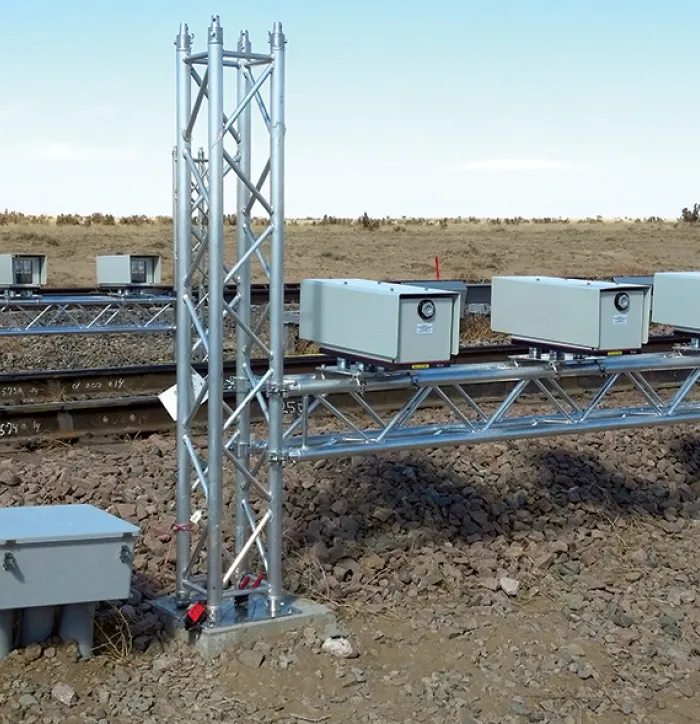
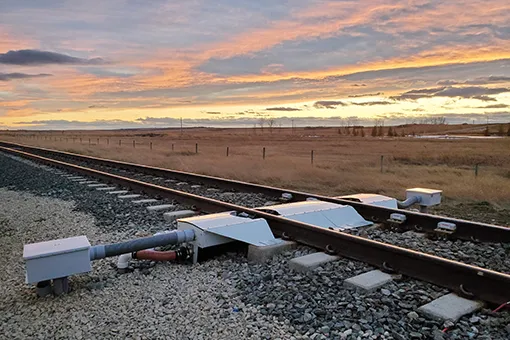
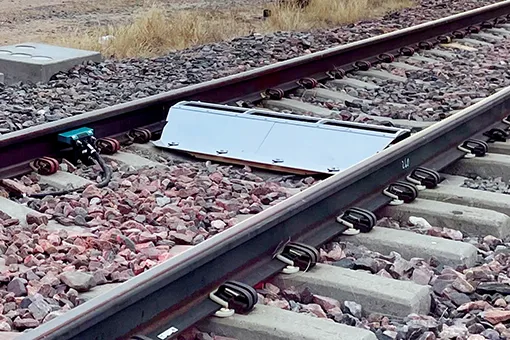
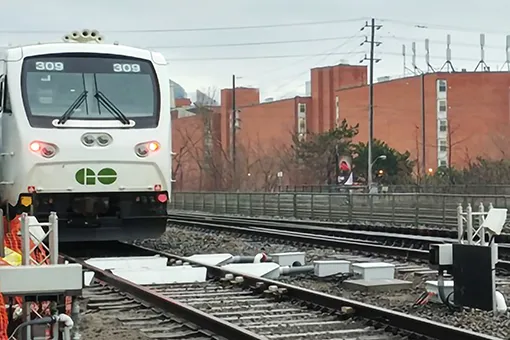
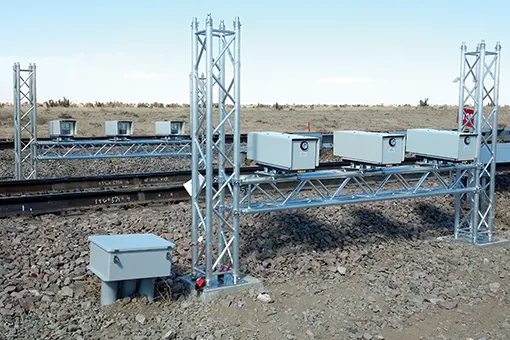
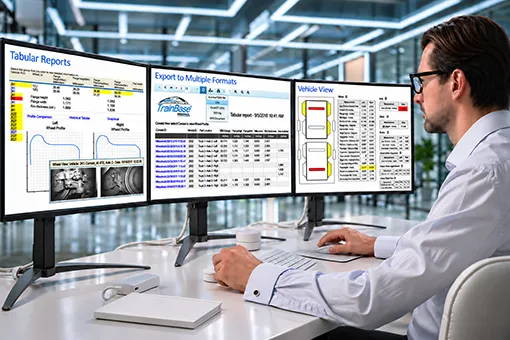
Wayside and fixed monitoring systems use imaging, sensors, and analytics to inspect rolling stock as trains pass an inspection location. They detect wear, damage, missing parts, and misalignments in bogies, wheels, undercarriages, and other critical components without stopping rail traffic. Data is captured at track speed, analyzed, and shared with maintenance teams through secure web platforms or connected asset management systems. The result is more consistent inspection data, better maintenance planning, and faster response when issues appear.


Reduce Downtime and Manual Inspection Burden
Continuous automated monitoring reduces the need for routine manual checks. Teams can spend more time on targeted maintenance, and trains can spend more time in service.
Catch Problems Before They Become Incidents
Real-time alerts and trend analysis help teams address safety-critical issues earlier, reduce asset failure risk, and support dependable service for passengers and freight.
Wayside & Fixed Monitoring
Find answers to common questions about wayside and fixed rail monitoring systems.

Ready to strengthen your inspection program?
We can help you review current systems, identify monitoring gaps, and plan practical steps toward safer, more reliable rail operations.