
Atmospheric Modeling That Supports Go/No-Go Decisions
ENSCO atmospheric modeling helps launch teams understand developing weather risks early, supporting informed decisions and more predictable mission operations.
Atmospheric Modeling
Every launch window carries weather uncertainty. Conditions that appear minor can affect mission readiness, increase operational risk, and create costly disruptions if their impact is not understood early. Launch teams need more than forecasts. They need a clear picture of how changing conditions could affect the mission.
ENSCO atmospheric modeling provides that insight. By turning complex atmospheric data into actionable information, we help teams evaluate potential impacts, support critical launch decisions, and maintain confidence in mission execution. The result is better-informed planning, stronger readiness, and a more predictable path to launch.
Atmospheric Modeling Built for Space Operations
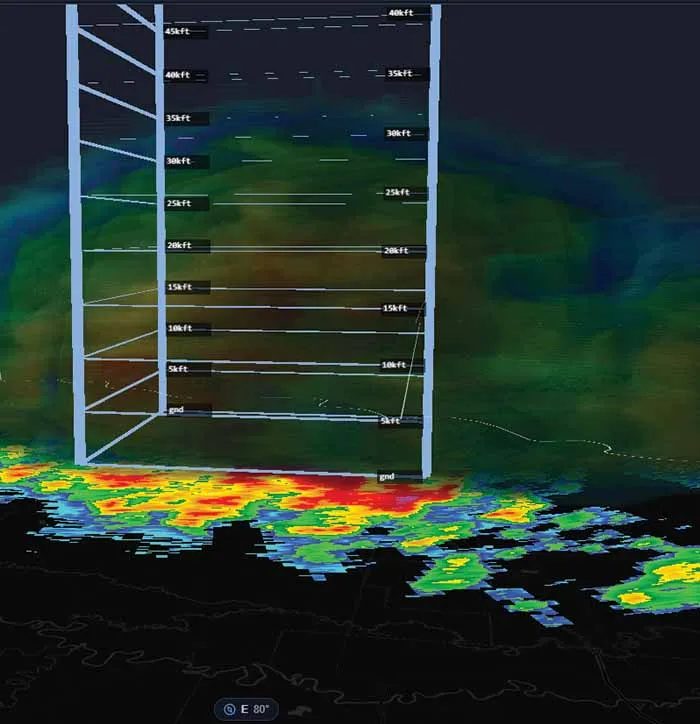
Our atmospheric modeling is designed to reflect the conditions that matter most to launch operations. By combining real-time observations with physics-based forecasting, we provide a clearer understanding of how developing weather patterns could affect mission execution. The result is timely, mission-focused insight that helps teams make informed decisions and respond confidently as conditions change.
Decisions Backed by Science
When launch schedules are tight and assets are on the line, general forecasts are not enough. Our atmospheric modeling provides site-specific, minute-by-minute projections tailored to your launch profile, helping teams reduce surprises, respond faster to changing conditions, and build a stronger safety case for each mission.
Proven Tools for Launch Ranges
We draw on decades of experience supporting NASA, commercial spaceports, and government launch sites. Our models are validated against real-world data and refined for operational use. We work with your team to tune parameters, set alert thresholds, and deliver results in the formats you need.
Atmospheric Modeling for Space
Find answers about weather forecasting, launch decision support, and how atmospheric modeling helps improve mission readiness.

See Atmospheric Modeling in Action
Explore how advanced weather modeling can support mission readiness, improve situational awareness, and inform critical launch decisions.