Keep Corrugation from Driving Wear, Noise, and Delays
Detect and measure rail corrugation early so you can reduce wear, control noise, and plan repairs before problems grow. RCMS gives rail teams the data they need to maintain safer, more reliable service.
Rail Corrugation Measurement System (RCMS)
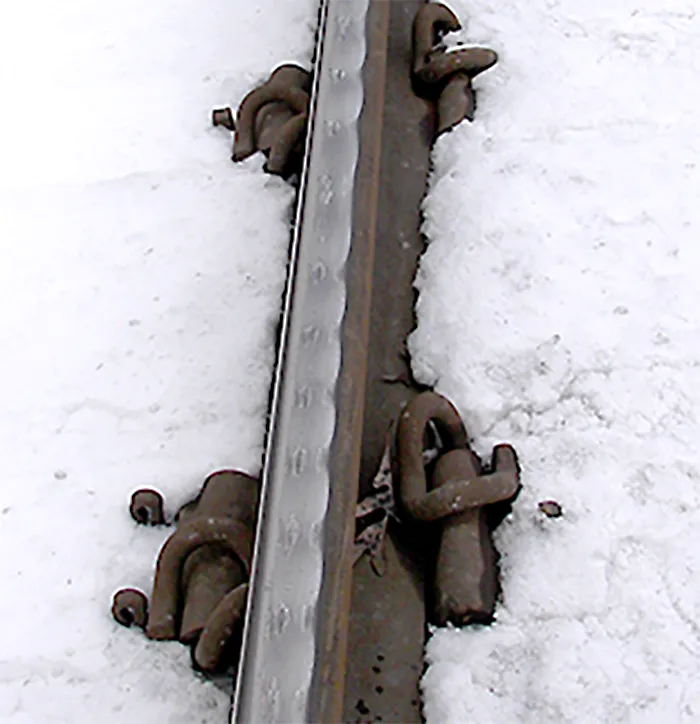
Rail corrugation is a recurring challenge for rail operators. Left unchecked, it increases noise, accelerates rail and wheel wear, drives up maintenance costs, and affects ride quality. For transit agencies and freight railroads, it can also lead to service disruptions and compliance concerns.
ENSCO's Rail Corrugation Measurement System (RCMS) helps you identify and measure corrugation before it affects the wider network. With accurate rail surface data, you can plan targeted maintenance, reduce operational risk, and keep trains running on schedule.
High-Speed Measurement
Captures corrugation data at track speed without manual inspection or reduced-speed measurement runs.
Sub-Millimeter Accuracy
Measures corrugation depth and wavelength to support precise maintenance planning.
Real-Time Reporting
Delivers immediate feedback and supports integration with asset management systems.
Continuous Rail Corrugation Detection
RCMS uses non-contact sensors to scan the rail surface at speed. The system measures corrugation depth, wavelength, and location, then processes the results in real time. Clear reports show exactly where problems are developing, helping maintenance teams schedule targeted grinding and repair work before conditions worsen.
Reduce Unplanned Maintenance
With RCMS, you can schedule rail grinding and corrective work using measured rail surface data instead of estimates. Early detection reduces unexpected slow orders and minimizes unplanned repair work. That leads to more efficient maintenance and fewer service disruptions.
Meet Noise and Ride Quality Standards
Rail corrugation increases noise and vibration, which can lead to passenger complaints and regulatory concerns. RCMS helps you identify problem areas early so you can maintain a quieter, smoother, and safer rail network.
Rail Corrugation Measurement System
Answers to common questions about RCMS for rail operators and asset managers.

See RCMS in Action
Ready to reduce rail noise, extend asset life, and improve maintenance planning? Talk with our team about how RCMS can help you identify corrugation early and keep your network performing at its best.