Reduce Risk with High-Resolution Joint Bar Inspection
Detect joint bar defects early with automated, high-resolution imaging built to support rail safety, compliance, and uptime.
Joint Bar Imaging System (JBIS)
Joint bars are critical to rail integrity, but defects can be difficult to identify before they become larger problems. Cracks, worn components, and missing or damaged bolts can increase safety risks, disrupt service, and drive unplanned maintenance costs.
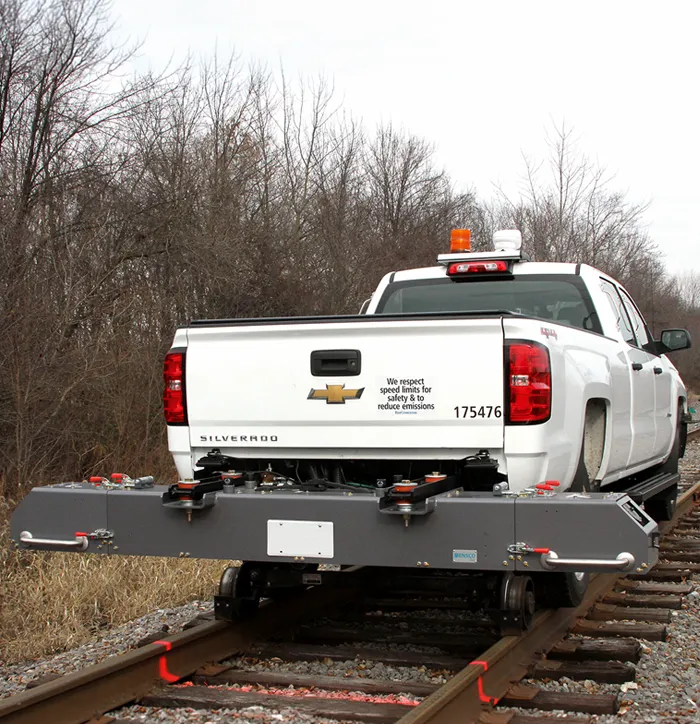
Traditional inspections are time-consuming and can be difficult to perform consistently across a large network. The Joint Bar Imaging System (JBIS) gives you a faster, more reliable way to understand joint bar condition. JBIS captures high-resolution images of every joint bar at track speed and automatically identifies visible defects. With clearer visibility into joint bar condition, you can make more informed maintenance decisions and help keep your network operating safely and efficiently.
Automated Imaging for Every Joint
JBIS uses cameras and controlled lighting to capture detailed images of every joint bar as the inspection vehicle travels along the track. The system identifies cracks, corrosion, and alignment issues, then flags potential defects for review. The result is more consistent inspections and objective data you can use throughout every inspection cycle.
Why Automated Joint Bar Inspection Matters
Manual inspections can miss early-stage defects, particularly in poor weather, low-light conditions, or short inspection windows. JBIS delivers consistent, high-quality imaging so maintenance teams can identify problems sooner and plan repairs before they become urgent.
What Sets JBIS Apart
- High-resolution imaging at operational track speeds
- Automated detection of cracks, missing bolts, and surface defects
- Geo-referenced, time-stamped inspection records
- Scalable for mainline, yard, and industrial environments
- Reduces manual inspection time and subjectivity
- Integrates with other ENSCO inspection and data management systems
Joint Bar Imaging System
Answers to common questions about automated joint bar inspection and JBIS.

Talk to an Inspection Systems Specialist
See how JBIS can help strengthen your joint bar inspection program. Talk with our team about using automated imaging to identify defects earlier, support compliance, and keep your rail network operating safely.