Rail Disruption Detection
ENSCO enabled real-world validation of advanced sensing technologies, improving the accuracy and reliability of systems designed to detect rail service disruptions.

Reduce Track Obstructions & Service Interruptions
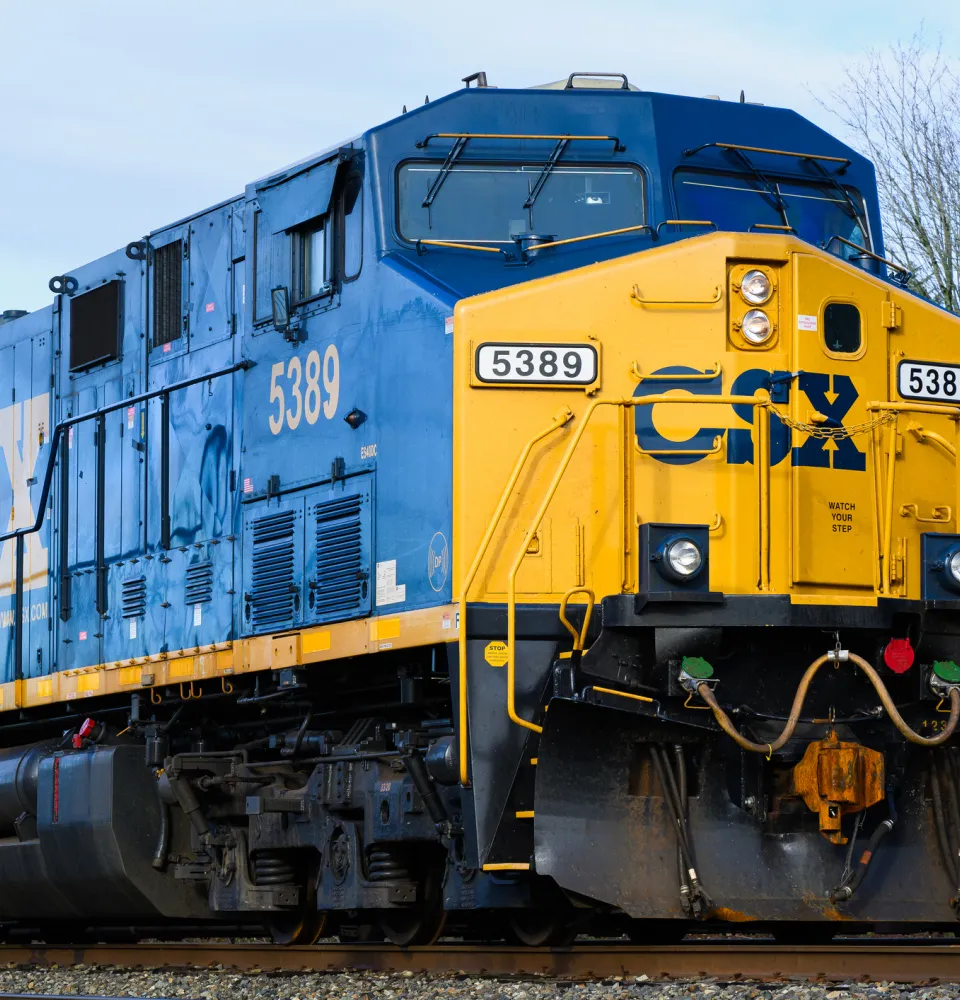
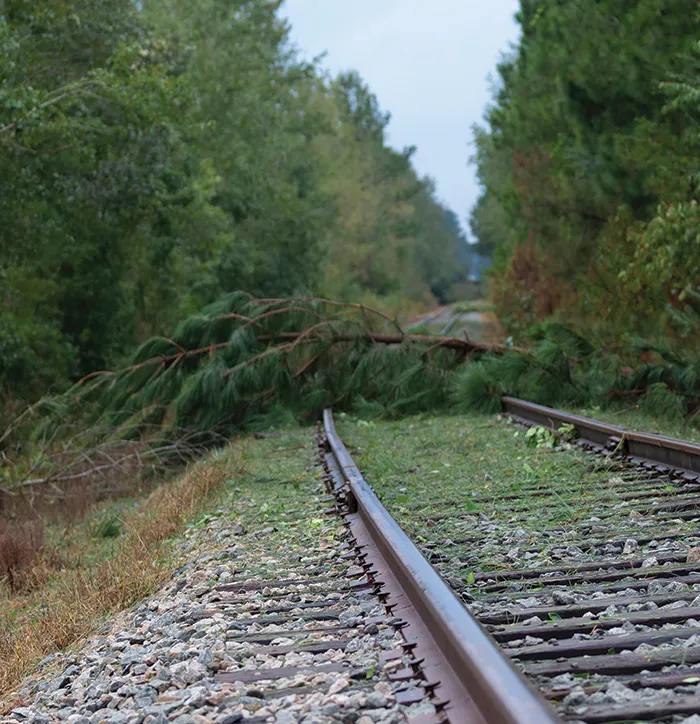
Rail operators need reliable ways to detect track obstructions and service interruptions before they impact operations. Emerging sensing technologies showed promise, but lacked validation under realistic conditions, making it difficult to assess their effectiveness or deploy them with confidence.
Full Scale Testing at the TTC
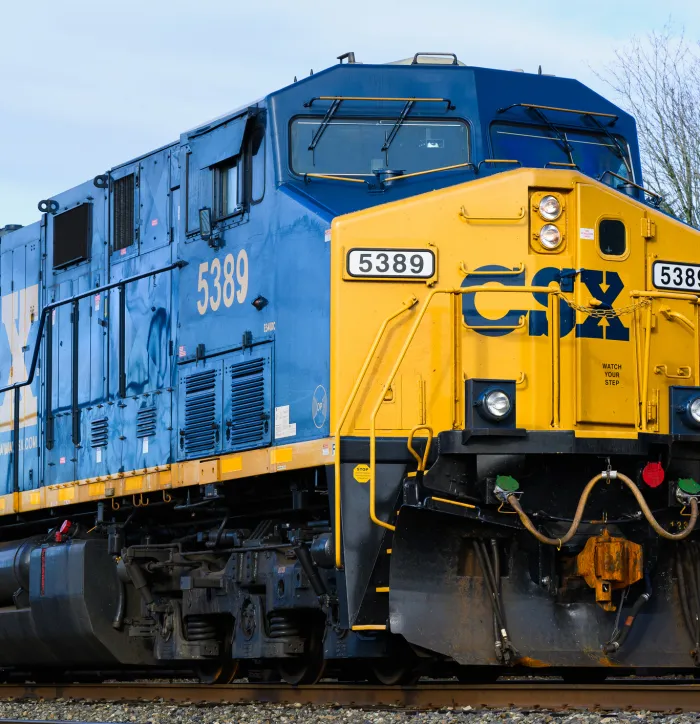
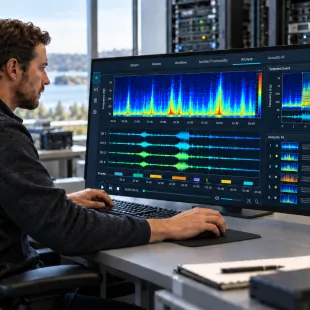
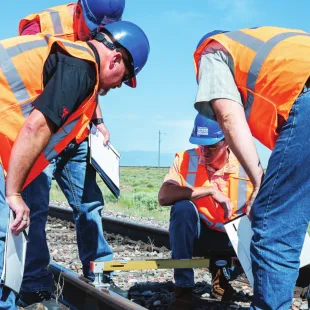
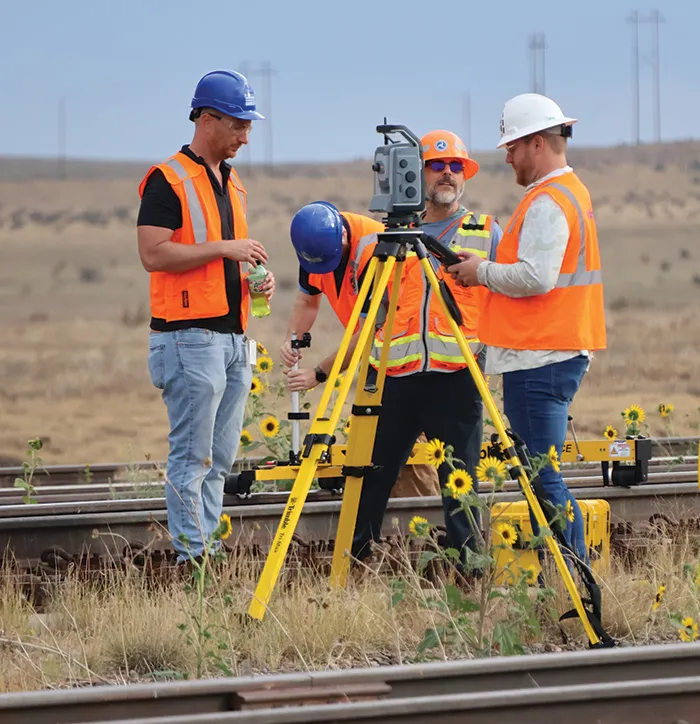
At the Transportation Technology Center, ENSCO supported a consortium led by CSX in conducting controlled, full-scale testing of Distributed Acoustic Sensing and Track Circuit Detection technologies. Using TTC’s High Tonnage Loop, ENSCO simulated a range of environmental and operational scenarios to replicate real-world disruption risks. This approach provided a consistent, high-fidelity testing environment to evaluate system performance across varying conditions.
Validation Without Impacting Operations
The testing significantly improved the accuracy and capability of participating technologies, enabling earlier and more reliable detection of potential service disruptions. By validating these systems under real-world conditions, ENSCO accelerated their path to deployment, helping rail operators reduce risk, improve operational continuity, and make more informed investment decisions in next-generation sensing solutions.