US Rail Network Safety
ENSCO helped the Federal Railroad Administration’s Automated Track Inspection Program (ATIP) increase annual inspected track miles nearly fivefold, contributing to a 70% reduction in track-caused mainline derailments while lowering inspection costs nationwide.
Ensuring National Rail Safety
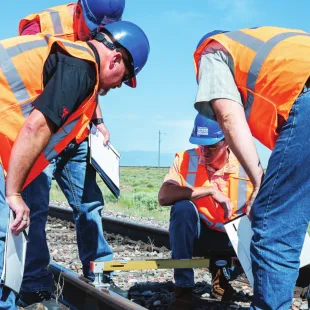
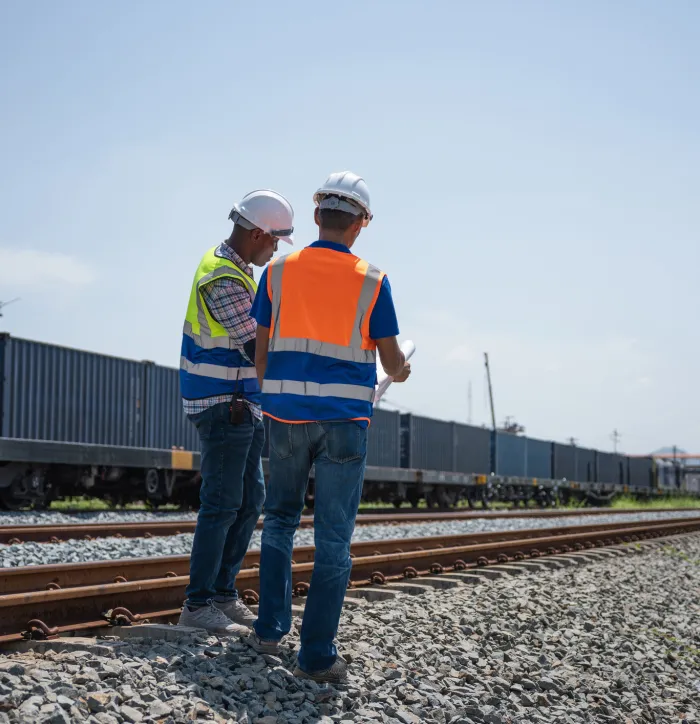
The Federal Railroad Administration (FRA) is responsible for ensuring that railroads maintain their track in compliance with Federal Track Safety Standards, under statutes mandated by Congress. Manual visual inspections, however, are time-consuming, pose safety risks for inspectors, and provide a limited sampling of track conditions.
The FRA required a safer, more efficient, and scalable method to assess the nation’s rail network.
Automated Track Inspection
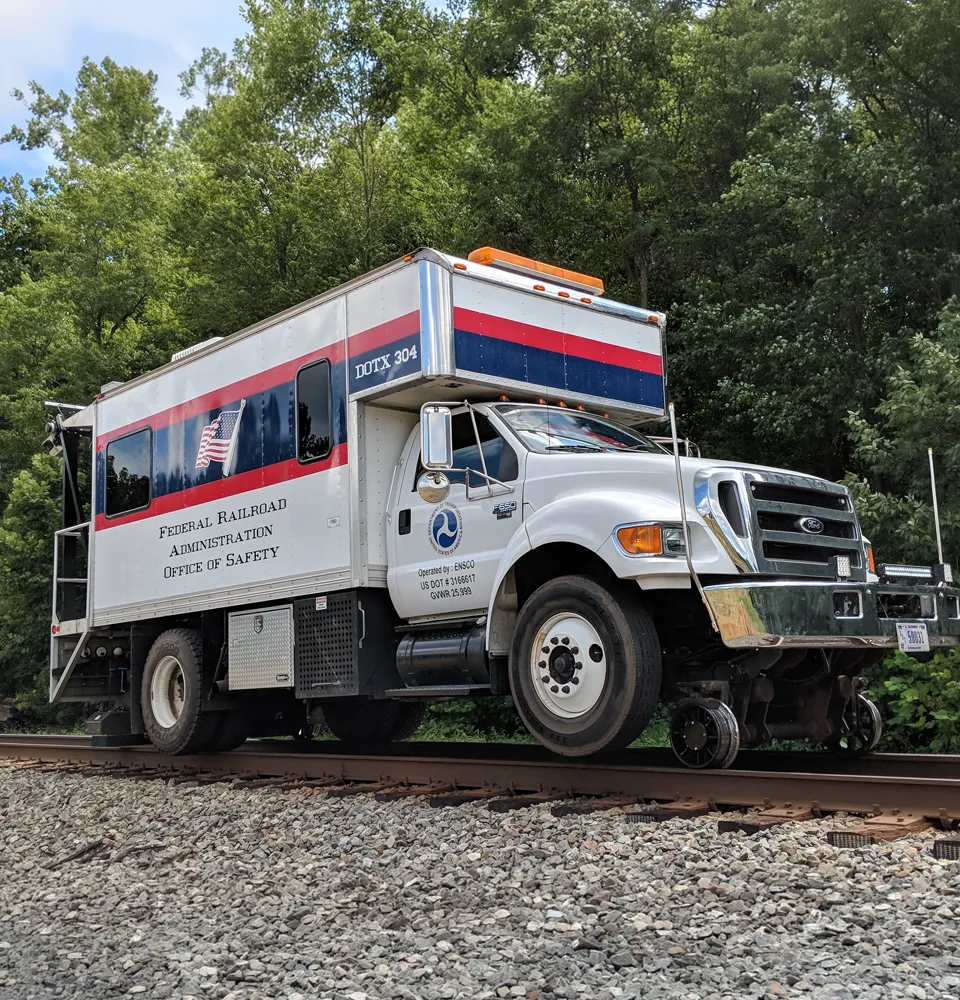
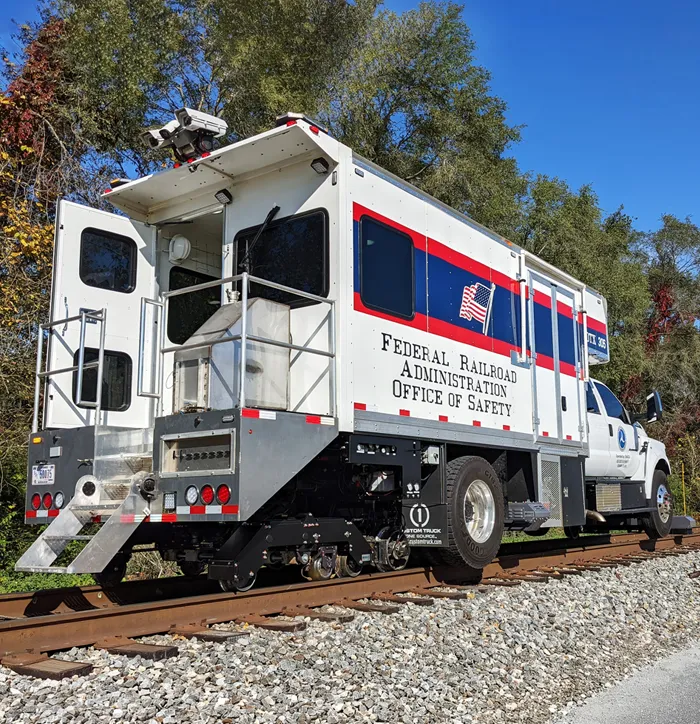
Since 1974, ENSCO has designed and deployed advanced automated track inspection systems (ATIP) to ensure track safety, monitor inspection effectiveness, and support targeted maintenance.
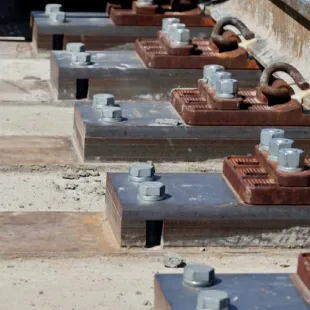
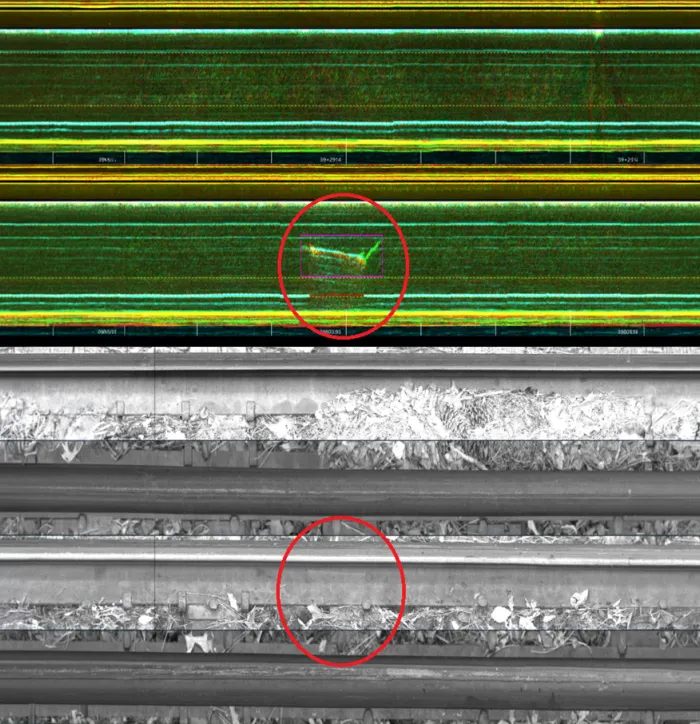
These automated inspection systems assess track geometry, gage restraint strength, tie and fastener conditions, vehicle/track interaction, grade crossing topography, and the presence of internal rail flaws. These technologies have been integrated into a fleet of track inspection vehicles and rolled out nationwide, delivering continuous, high-quality data across the rail network.
More Inspection, Fewer Derailments, Lower Costs
Over the last 20 years, ENSCO has increased inspected track miles from approximately 37,000 to more than 180,000 per year, contributing to a 70% reduction in track-caused mainline derailments and a more than 33% decrease in per-mile inspection costs.
In the last calendar year, 7,329 track exceptions were identified; including 1,828 safety-critical exceptions that posed a heightened risk of derailment. Additionally, track inspection data collected by ENSCO is used by FRA to prioritize focused inspection efforts and consider potential regulatory changes.
By The Numbers
180K+
Miles of track inspected per year
70%
Reduction in track-caused mainline derailments
33%
Reduction in per-mile inspection cost